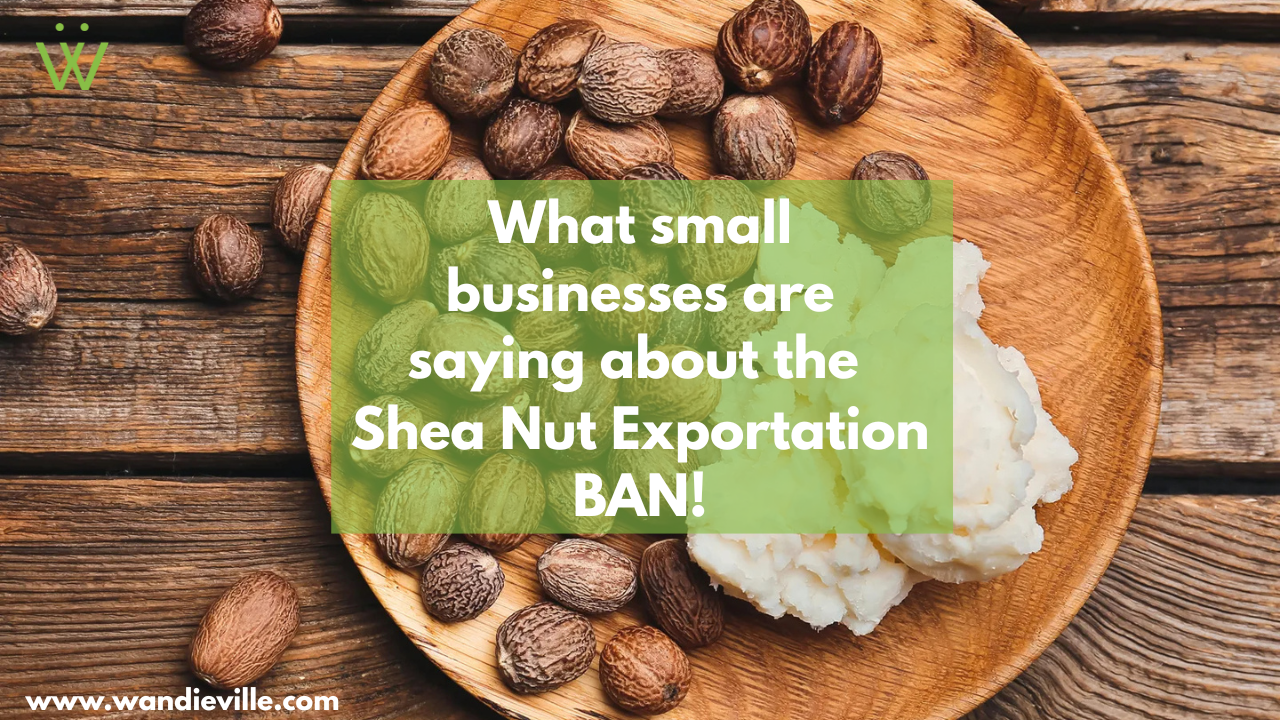
Shea Nut Ban in Nigeria: Policy Change and Industry Reactions
Nigeria is a major player in the global Shea nut market, contributing about 45% of the world’s total production. Shea nut farming is predominantly carried out in the northern regions, with Niger State leading the pack, followed by Kwara, Kogi, Kebbi, and Kaduna.
Nigerian Shea nuts are highly sought after globally, especially in the cosmetics and food industries. Major importing countries include the United States, the United Kingdom, Germany, and Japan. Eastern Europe, particularly Poland and Russia, is also a growing market.
A New Policy Shift
Recently, President Bola Ahmed Tinubu approved a 6-month temporary ban on the export of raw Shea nuts, effective immediately. The aim is to curb informal trade, encourage local processing, and strengthen Nigeria’s Shea value chain. According to government projections, this policy could generate about $300 million annually in the short term.
Vice President Kashim Shettima described the directive as a “pro-value addition policy” designed to secure raw materials for local processors, create jobs, and empower women, who make up 90% of the pickers and processors. He noted that while Nigeria produces nearly 40% of global Shea products, the country currently accounts for just 1% of the $6.5 billion market.
By shifting focus from raw nut exportation to refined Shea butter, oil, and derivatives, Nigeria hopes to join regional peers like Ghana, Burkina Faso, Mali, and Togo who have already taken steps to protect their industries.
Industry Insight: A Conversation with Mrs. Stella Anokam, CEO of Elsie Organics
To get an industry perspective, we spoke with the CEO of Elsie Organics, a distributor who has been a Shea butter distributor for over three (3) years. She shared her thoughts on how the new ban is affecting the market and what solutions might help the industry.
Q: When did the ban take effect?
A: August 26, 2025.
Q: How has this policy shift affected the cost of the end product (Shea butter)? A: It has really affected the price. Even before the ban, we were already experiencing scarcity in getting the nuts directly from farmers.
Q: What do you think is the reason for this scarcity?
A: Many farmers now sell directly to Chinese buyers, who even accompany them to the forests for nuts-picking, and also go door to door in the Shea Butter villages. The farmers prefer this because they earn more selling raw nuts than refining them into butter.
Q: So how difficult is it now to buy Shea butter?
A: Extremely difficult. Most farmers have stopped processing the nuts themselves and simply sell the raw nuts directly to their Chinese customers. This trend has led to the reduction of Shea Nut processors and also lowered the availability of Shea Butter locally in the country. Also, the cost of Shea Nuts is on the rise for those who purchase nuts to process locally.
Q: How has this impacted your business and pricing?
A: It is overwhelming. Early to mid last year, a kilogram of Shea butter was going for about ₦2,500. Today, it goes for between ₦8,000 to ₦10,000, in different markets.
Q: Beyond pricing, what deeper issues are driving scarcity?
A: There is no proper regulation in Shea nut farming. The same applies to other sectors like Cassava and Black soap, where adulterated products are becoming common because of irregular practices.
Q: What lasting solution would you suggest?
A: Nigeria has over 40% of the world’s Shea butter reserve, yet we face scarcity. The government should put stronger measures in place to stop illegal purchases of raw nuts. Proper regulation is key.
There should be a permanent ban on the sale of raw, unprocessed Shea Nuts, as this strips off our local women in the Shea Nut Communities of their source of income.
Also, the Government should support women i.e. Shea Butter producers in the villages with tools and facilities to improve the quality of their processes as well as facilities that can improve their efficiency.
The Big Question
With Nigeria holding such a strong comparative advantage, many in the industry are asking: why is the ban on Shea nut exportation only temporary?